

An office cleaning guide provides a way to organise workplace cleaning, from desks and meeting rooms to kitchens, washrooms, and floors. A good cleaning routine is not only about making an office look neat; it also helps businesses manage dust, dirt, rubbish, and frequently touched surfaces.
For a busy workplace, cleaning can easily become something that gets done only when the office starts looking dirty. A simple routine makes it easier to know what needs attention every day, what can be handled weekly, and when a deeper clean is necessary.
Why Does Office Cleaning Matter?
A clean office is easier to work in and gives employees and visitors a better impression of the business. Regular cleaning also helps prevent dust and dirt from building up in shared areas and on frequently used surfaces. An office cleaning guide can help businesses organise these tasks and maintain a more consistent routine.
The U.S. Environmental Protection Agency states that people spend an average of 90% of their time indoors, while indoor air can contain pollutants from sources such as furnishings, building materials, cleaning products, and outdoor air.
That does not mean cleaning alone solves indoor air quality problems. Ventilation, filtration, building maintenance, and source control also matter. OSHA similarly recommends routine cleaning of office spaces and common areas as part of good building operation and indoor air quality management.
This is why an effective office cleaning guide should look beyond desks and floors.
What Areas Should Be Included in an Office Cleaning Routine?
Different parts of an office collect different types of dirt. High-touch and high-traffic areas generally need more regular attention than spaces that are rarely used. A practical office cleaning guide should therefore cover both commonly used spaces and areas that receive less daily attention.
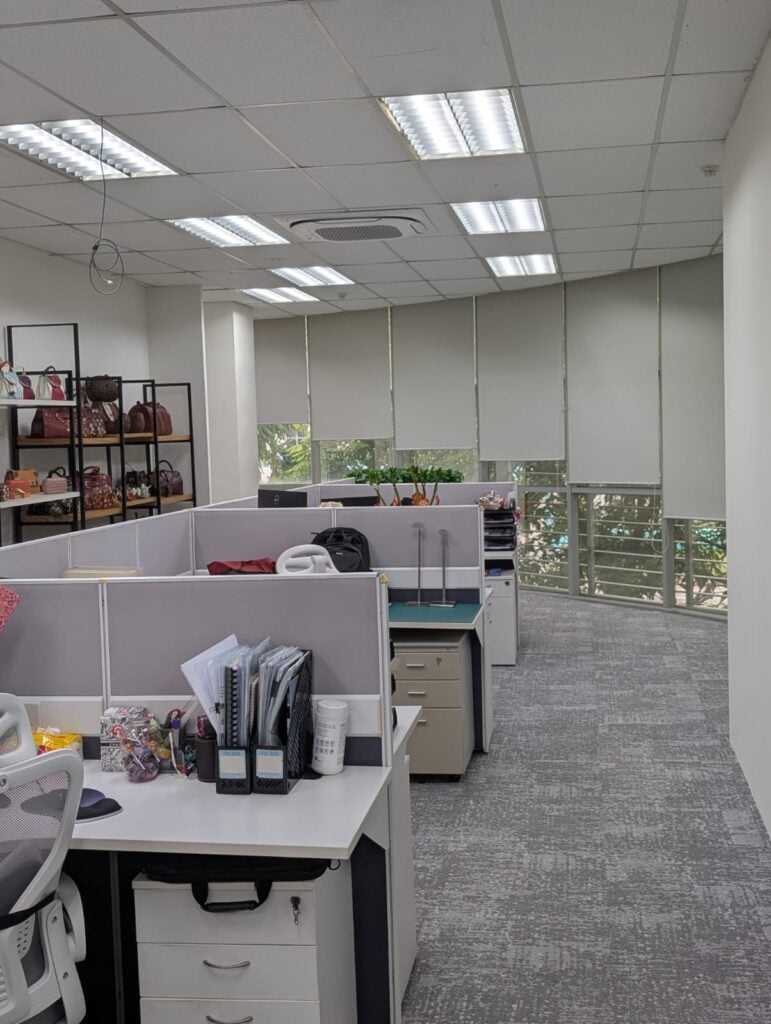
Workstations and Desks
Desks can collect dust, food crumbs, fingerprints, and other debris during the working day. Cleaning should focus on accessible surfaces without disturbing employees’ personal belongings or documents.
A basic workstation routine can include:
- Dusting and wiping accessible surfaces
- Cleaning desk areas
- Emptying individual bins
- Vacuuming or mopping nearby floors
- Cleaning shared office equipment where appropriate
Employees should also keep personal items organised so cleaners can reach the surfaces properly.
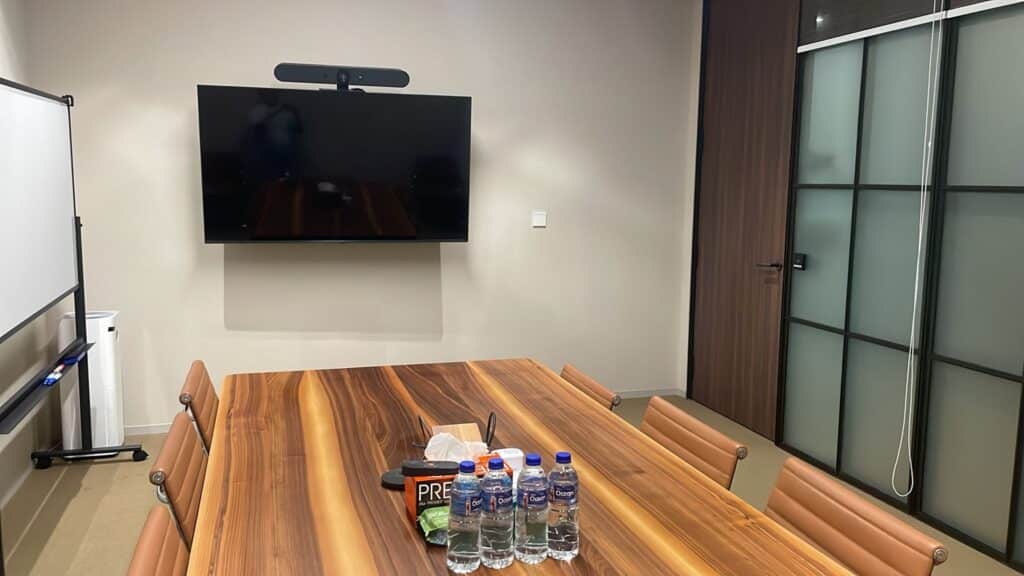
Meeting Rooms and Reception Areas
Meeting rooms and reception areas are often the first parts of an office visitors see. They should be checked regularly, especially when the business has client meetings throughout the week.
Pay attention to:
- Tables and chairs
- Door handles
- Glass surfaces
- Floors
- Waste bins
- Frequently touched surfaces
A quick check before an important client meeting can also prevent small cleaning issues from becoming noticeable at the wrong time.
Pantry and Break Areas
Pantries tend to require more frequent cleaning because food and drinks are handled there throughout the day.
An office pantry cleaning routine should cover:
- Countertops and tables
- Sinks and taps
- Food waste
- Floors
- Bins
- Accessible appliance surfaces
- Visible spills and stains
Food should not be left behind overnight, particularly in warm environments where it can attract pests.
Washrooms
Washrooms need consistent cleaning because they are shared by employees and visitors. Toilets, sinks, mirrors, floors, and high-touch fixtures should be checked according to the workplace’s cleaning schedule.
For larger offices, washroom cleaning may need to happen more frequently than cleaning less-used areas.
How Often Should an Office Be Cleaned?
There is no universal cleaning frequency for every workplace. A small office with five employees may have very different requirements from a busy corporate office with dozens of workers and regular visitors.
A useful starting point for an office cleaning guide is to divide tasks according to frequency.
| Cleaning Frequency | Examples of Tasks | Suitable Areas |
|---|---|---|
| Daily | Empty bins, clean washrooms, wipe shared surfaces, clean spills | Pantry, toilets, reception, common areas |
| Several times a week | Vacuuming, mopping, workstation cleaning | Work areas and meeting rooms |
| Weekly | Detailed dusting, less-used areas, deeper floor care | Storage areas and low-traffic spaces |
| Periodic/deep cleaning | Detailed cleaning of carpets, windows, fixtures and hard-to-reach areas | Whole office |
The schedule should be adjusted according to foot traffic, number of employees, office layout, and the nature of the business.
A detailed office cleaning guide can also help businesses decide which tasks need daily attention and which can be scheduled weekly or periodically.
How to Create an Office Cleaning Schedule
A cleaning schedule works best when responsibilities are clear. Instead of simply telling someone to “clean the office,” list the areas and tasks that need to be completed. Using an office cleaning guide can make this process easier because employees or cleaning teams have a clear reference for what should be cleaned and when.
Follow these steps:
- List every area
Include workstations, meeting rooms, reception, pantry, washrooms, corridors, storage rooms, and other relevant spaces.
- Separate daily and periodic tasks
Not everything needs to be cleaned at the same frequency. Focus daily work on high-use areas.
- Identify high-touch surfaces
Door handles, light switches, shared tables, and other frequently touched areas should be included in the routine.
- Set a cleaning time
Decide whether cleaning will happen before work, after working hours, or during quieter periods.
- Create a checklist
A checklist makes it easier for employees, supervisors, or cleaning teams to confirm what has been completed.
- Review the schedule
If bins regularly overflow or pantry surfaces become dirty before the next scheduled visit, the cleaning frequency may need to change.
DIY Office Cleaning vs Professional Cleaning
Some businesses manage basic cleaning internally, while others outsource the work. Neither approach is automatically suitable for every office.
| Factor | In-House Cleaning | Professional Cleaning |
|---|---|---|
| Management | Handled by internal staff | Managed by cleaning provider |
| Equipment | Purchased or provided by business | Often provided by cleaner |
| Scheduling | Controlled internally | Agreed with service provider |
| Staff workload | Cleaning duties remain in-house | Cleaning is handled externally |
| Cleaning scope | Depends on available staff | Can be based on an agreed checklist |
| Best suited to | Smaller or simple workplaces | Offices needing regular structured cleaning |
In practice, some businesses use a combination of both. Employees can keep their own desks organised while a cleaning team handles shared spaces, floors, washrooms, and other routine tasks.
For businesses managing cleaning internally, an office cleaning guide can provide a simple reference for assigning tasks and checking whether important areas have been covered.
When Should You Consider Professional Office Cleaning?
A professional office cleaning service can be useful when regular cleaning is becoming difficult to manage internally. It can also make sense when the office has grown, cleaning requirements have become more detailed, or employees are spending too much time on housekeeping.
For businesses looking for a more structured solution, GT Environmental provides office cleaning service in Singapore, with options for routine maintenance and additional cleaning needs. This can be useful for workplaces that need a consistent schedule rather than relying entirely on employees to maintain shared areas.
You can also explore their professional office cleaning service if your workplace needs cleaning support beyond an internal checklist.
An office cleaning guide is useful for identifying when the existing routine is no longer enough for the workplace.
What Should You Check Before Hiring a Cleaning Company?
Choosing a cleaning provider involves more than comparing prices. Two companies can quote different amounts because their service scopes, schedules, equipment, and staffing arrangements are different. An office cleaning guide can also help businesses identify the cleaning tasks they actually need before discussing a service package.
Before booking, ask about:
- Cleaning frequency and available schedules
- Areas included in the service
- Number of cleaners assigned
- Equipment and cleaning products
- Additional services or charges
- Contract or minimum service requirements
- How service quality is checked
GT Environmental states that its office cleaning service can be arranged daily, weekly, or according to a customised schedule. Its website also lists cleaning of general surfaces and workstations, pantry maintenance, washroom sanitising, rubbish removal, carpet vacuuming, and floor maintenance among the included tasks.
A Simple Example of an Office Cleaning Plan
Consider a 20-person office where employees work Monday to Friday. The reception area receives visitors, the pantry is used throughout the day, and two meeting rooms are regularly booked. This type of workplace can use an office cleaning guide to organise daily, weekly, and periodic cleaning tasks based on actual usage.
A practical routine could look like this:
- Every day: Washrooms, pantry surfaces, bins, reception, and visible spills
- Several times a week: Vacuuming, mopping, meeting rooms, and shared surfaces
- Weekly: More detailed dusting and less-used areas
- Every few months: Deep cleaning of carpets, windows, and other areas requiring extra attention
The exact schedule would depend on the office’s condition and usage. The point is to match cleaning frequency to how quickly each area becomes dirty rather than treating the whole office in exactly the same way.
Conclusion: Use a Practical Office Cleaning Guide for Better Workplace Maintenance
A useful office cleaning guide should make cleaning easier to organise rather than turning it into another complicated task. Start by identifying high-use areas, separate daily tasks from periodic work, and adjust the schedule when the office’s needs change.
For businesses that prefer to outsource regular cleaning, GT Environmental provides office cleaning services across Singapore and offers routine as well as customised cleaning arrangements.
If your workplace needs a more consistent cleaning routine, visit GT Environmental to explore its office cleaning and other commercial cleaning services.
Frequently Asked Questions
What should be included in an office cleaning checklist?
An office cleaning checklist should normally cover workstations, meeting rooms, reception areas, floors, pantry areas, washrooms, bins, and frequently touched surfaces. Additional tasks can be added based on the workplace.
How often should an office be professionally cleaned?
Many offices benefit from cleaning several times a week or daily, depending on employee numbers and foot traffic. High-use areas such as washrooms, entrances, and pantries may require more frequent attention.
What is the difference between regular cleaning and deep cleaning?
Regular cleaning focuses on maintaining the workplace through routine tasks such as dusting, vacuuming, mopping, and rubbish removal. Deep cleaning is more detailed and may include carpets, windows, fixtures, and areas that are not addressed during every visit.
Can employees clean the office themselves?
Yes, employees can handle simple tasks such as keeping their desks organised and cleaning small spills. However, larger offices may benefit from a dedicated cleaning team for shared spaces and routine maintenance.
How do I choose an office cleaning company in Singapore?
Compare the cleaning scope, frequency, schedule, experience, equipment, and pricing rather than looking at price alone. Make sure the provider can cover the areas your workplace actually needs.