

If you are wondering how to do move out cleaning, the basic idea is to clean the property after most belongings have been removed, so it is ready for handover or its next occupant. Unlike normal house cleaning, move out cleaning usually requires more attention to areas that are easy to ignore during everyday living, such as inside cabinets, corners, floor edges, bathroom buildup, and marks on surfaces.
The best time to do it is usually when the property is mostly empty. With fewer boxes and furniture in the way, you can reach more areas and spot dirt that was previously hidden.
What Should You Do Before Starting Move Out Cleaning?
Before starting how to do move out cleaning, clear the property as much as possible. Cleaning around boxes and furniture will only make the work slower, and you may have to clean the same area again after moving something.
If you are doing how to do move out cleaning yourself, prepare all of your supplies before starting. This saves time because you will not need to stop halfway through the job to look for another cloth, cleaner or rubbish bag.
Prepare basic supplies such as:
- Vacuum cleaner, preferably one with a HEPA filter
- Mop and bucket
- Microfiber cloths
- All-purpose and surface-specific cleaners
- Glass cleaner
- Scrubbing brush or sponge
- Garbage bags
- Gloves
- Disinfectant for suitable surfaces
The National Environment Agency (NEA) recommends using a vacuum cleaner equipped with a HEPA filter for general cleaning and advises keeping the area properly ventilated during cleaning and disinfection.
It is also worth checking the tenancy agreement before you start. Some landlords or agents may have specific expectations about the condition of the property at handover.
How to Do Move Out Cleaning Step by Step
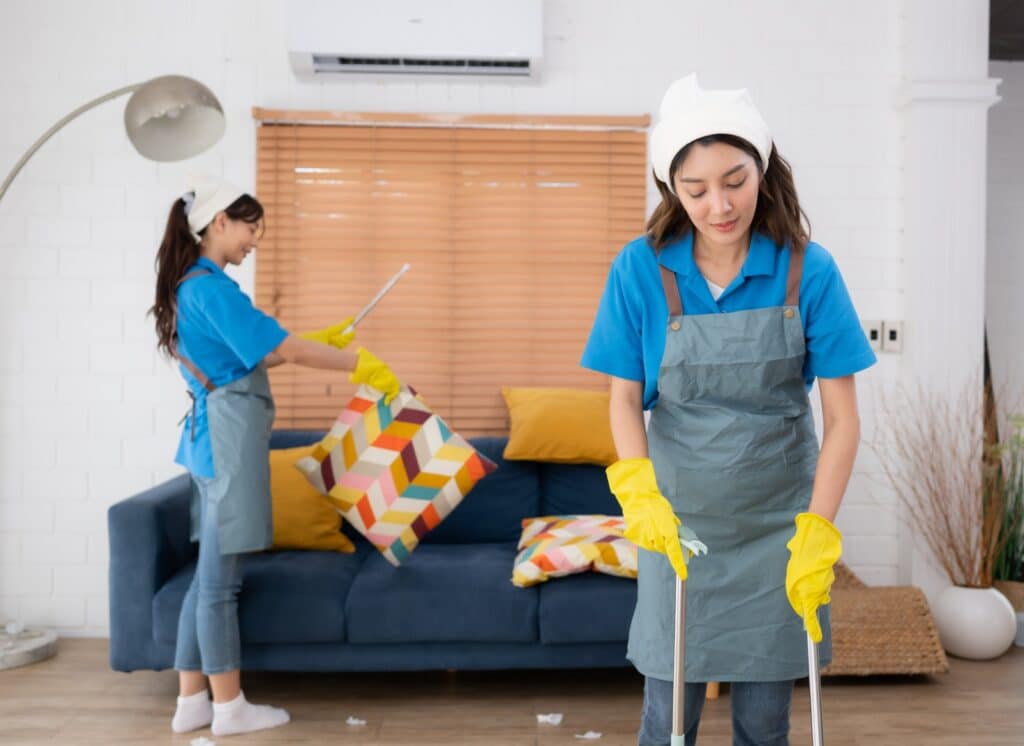
Once the property is empty, work through the rooms in a fixed order. Knowing how to do move out cleaning is less about using a complicated cleaning method and more about following the right sequence.
1. Remove rubbish and unwanted items
Start by removing rubbish, empty boxes, food packaging and anything that should not remain in the property.
If you are learning how to do move out cleaning for the first time, do this before cleaning any surfaces. Loose rubbish and unwanted items can get in the way and make it harder to reach corners, cabinets and floors.
2. Dust from top to bottom
Dust shelves, cabinets, doors, ceiling fans, light fixtures, window frames and other elevated surfaces first.
This is one of the simplest rules to remember when learning how to do move out cleaning: work from higher surfaces down toward the floor. Dust will naturally fall as you clean, so doing the floor first usually means having to clean it again.
Pay attention to places that are often hidden during normal cleaning:
- Behind doors
- Corners and skirting boards
- Inside empty cabinets
- Window tracks
- Light switches
- Door handles
- Areas behind or underneath furniture
NEA cleaning guidance also recommends paying attention to frequently touched surfaces such as handles, switches, countertops, toilets and sinks.
3. Clean the kitchen carefully
The kitchen is usually one of the more demanding parts of move out cleaning because grease and food residue can remain even when the room looks fairly tidy.
When deciding how to do move out cleaning, give the kitchen extra attention. Clean the countertops, sink, cooking surfaces, cabinet doors and accessible areas around appliances before moving on to the floor.
Work through:
- Countertops and backsplash
- Sink and taps
- Cabinet doors and accessible interiors
- Stove and cooking surfaces
- Range hood exterior
- Accessible appliances
- Floor and corners
Do not use the same strong cleaning product on every surface. Marble, natural stone, stainless steel and painted surfaces can react differently to chemicals.
4. Deep clean the bathroom
Bathrooms should be cleaned from cleaner areas toward dirtier areas. Start with mirrors and other upper surfaces, then move down to sinks, showers, toilets and floors.
Look for:
- Soap residue
- Water marks
- Hair around drains
- Grime around tile joints
- Dirt around toilet bases
- Build-up around taps and shower fittings
For disinfection, always follow the product manufacturer’s instructions. NEA also advises using the appropriate contact time for disinfectants rather than wiping the product away immediately.
5. Clean floors last
Once the higher surfaces, kitchen and bathroom are finished, clean the floors.
Vacuum or sweep first, then mop according to the flooring material. Do not assume that every floor should be treated with the same amount of water or cleaning solution.
For carpeted areas, use the appropriate vacuuming or carpet-cleaning method instead of soaking the carpet unnecessarily.
6. Check windows, doors and overlooked areas
This is where a property can look noticeably different after cleaning.
Wipe accessible window glass, frames and tracks. Clean door surfaces, handles, switches and other areas that are frequently touched.
Then walk through the property slowly and look at it as if you were seeing it for the first time.
How to Do Move Out Cleaning Before the Final Inspection
The final inspection is the last chance to catch areas that were missed during cleaning. When deciding how to do move out cleaning, leave some time between finishing the main cleaning and checking the property again.
Walk through each room and check the following:
- Floors are free from visible dust, dirt and hair
- Kitchen counters, sinks and cooking areas are clean
- Bathroom fixtures have no obvious buildup
- Cabinets and drawers are empty and wiped down
- Doors, handles and light switches have been cleaned
- Windows and accessible window tracks are free from noticeable dirt
- No rubbish or personal belongings have been left behind
This final walkthrough is an important part of how to do move out cleaning because small details can be easy to overlook when you have been cleaning for several hours. It is better to find them yourself before handing over the property than to discover them during an inspection.
Move Out Cleaning vs Regular Cleaning
Move out cleaning is more detailed than ordinary weekly cleaning because the purpose is different.
| Regular Cleaning | Move Out Cleaning |
|---|---|
| Keeps an occupied home tidy | Prepares an empty property |
| Focuses on frequently used areas | Covers less visible areas too |
| Usually done around furniture | Easier when furniture is removed |
| Repeated on a schedule | Usually a one-off service |
| Maintains cleanliness | Prepares for handover or a new occupant |
This distinction matters when deciding how to do move out cleaning. You are not simply trying to make the property look tidy. You are trying to leave it in a condition that is suitable for the next stage.
A Simple Example: Moving Out of a Two-Bedroom Apartment
Imagine a tenant has already moved their furniture and boxes out of a two-bedroom apartment. At first glance, the property looks clean enough.
After everything is removed, however, dust is visible along the skirting boards, grease remains around the kitchen stove, and the bathroom has water marks around the shower area.
This is a common reason an apparently clean property still needs a proper final clean. An empty room exposes areas that were hidden by furniture during the tenancy.
For a busy tenant, hiring professional move out cleaners can also make sense when there is only a short period between moving out and returning the keys.
When Should You Hire Professional Move Out Cleaners?
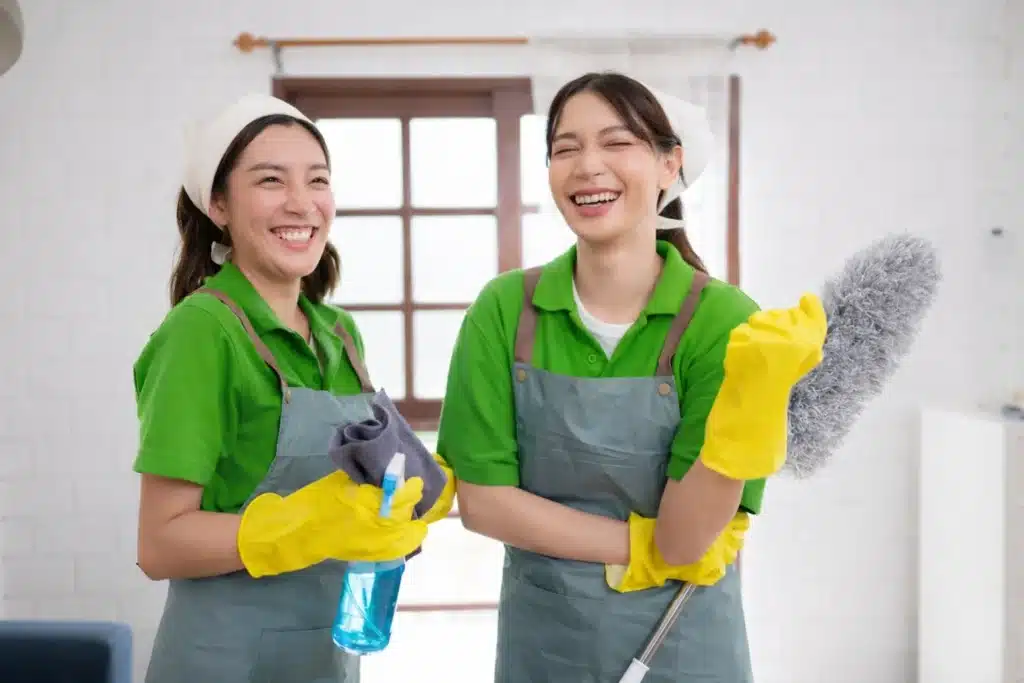
Doing the cleaning yourself is possible if the property is small, well maintained and you have enough time.
Professional cleaning becomes more useful when:
- The property has been occupied for a long time
- There is significant grease, grime or buildup
- You have a strict handover deadline
- The property is large
- You are also handling packing and transportation
- You are worried about missing less obvious areas
For rental properties, post-tenancy cleaning is another relevant option because the service is specifically intended for properties after a tenancy has ended.
GT Environmental provides residential and commercial cleaning services in Singapore, including post-tenancy cleaning and move-out-related services. The company states that its cleaners are trained to NEA WSQ standards and covered under MOM’s Work Injury Compensation requirements.
Common Mistakes to Avoid During Move Out Cleaning
Even when you understand how to do move out cleaning, it is easy to miss small things when you are also thinking about packing, transportation and returning the keys.
Some common mistakes include:
- Cleaning before all furniture has been removed
- Forgetting inside cabinets and drawers
- Leaving rubbish until the last minute
- Using unsuitable chemicals on delicate surfaces
- Cleaning floors before dusty surfaces
- Ignoring window tracks and corners
- Not checking the property again before handing over the keys
A final walkthrough is especially useful. Look at each room as if you were the landlord or the next occupant rather than someone who has lived there for months.es you a simple record of the property’s condition at the time you finished.
Conclusion: Leave the Property Ready for the Next Occupant
Knowing how to do move out cleaning makes the process easier because you can work through the property in a logical order instead of trying to clean everything at once. Start by removing belongings and rubbish, dust from top to bottom, focus on the kitchen and bathroom, clean the floors last, and finish with a final inspection.
If you are moving out of a rental property in Singapore and would rather leave the detailed cleaning to a trained team, GT Environmental provides cleaning solutions for residential and commercial properties. You can visit GT Environmental to explore the available services and request a cleaning quote.
Frequently Asked Questions
How long does move out cleaning take?
It depends on the property’s size, condition and cleaning scope. A small, well-maintained apartment may take considerably less time than a larger property that has accumulated grease, dust and buildup.
Should I clean before or after moving out?
It is generally easier to clean after most furniture and belongings have been removed. An empty property gives you better access to floors, cabinets, corners and other areas that are difficult to reach when the home is furnished.
What is usually included in move out cleaning?
A typical service can include cleaning floors, kitchens, bathrooms, surfaces, doors, accessible windows and other areas that need attention before handover. The exact scope depends on the property and service provider.
Is move out cleaning the same as post-tenancy cleaning?
They are closely related, but the terms are not always used in exactly the same way. Post-tenancy cleaning is specifically associated with cleaning a rental property after a tenant leaves, while move out cleaning can also apply when someone leaves an owned home or another type of property.
Can I do move out cleaning myself?
Yes. DIY cleaning can work well when you have enough time and the property is already in reasonable condition. If the deadline is tight or the property needs detailed cleaning, professional cleaners can reduce the amount of work you need to handle yourself.