
Workplace cleaning best practices are practical methods for keeping offices clean, hygienic, and comfortable for employees and visitors. They go beyond simply wiping desks and emptying bins by covering high-touch surfaces, washrooms, floors, shared areas, cleaning schedules, and indoor air quality.
A good workplace cleaning routine should be consistent and organised. Cleaning tasks should be matched to how each area is used, how frequently it is touched, and the type of dirt or contamination that can build up there.
Following workplace cleaning best practices makes it easier to maintain the same cleaning standard across different parts of the office. It also gives cleaning teams a clear reference for which areas need attention every day and which can be handled less frequently.
Why Workplace Cleaning Matters
A clean workplace can make the office more comfortable while helping reduce the build-up of dust, dirt, and contaminants. It also makes it easier for employees to use shared spaces without constantly dealing with visibly dirty surfaces.
In Singapore, the National Environment Agency (NEA) provides pictorial cleaning guides for office spaces and common areas, covering cleaning procedures and equipment use for different working environments. NEA also provides productivity indicators that cleaning companies and buyers can use when planning cleaning schedules and manpower.
Businesses should also understand the local requirements that apply to workplace hygiene and maintenance. Following office cleaning regulations in Singapore helps employers and facility managers understand the relevant cleaning standards, responsibilities and practices needed to maintain a suitable working environment.
Following workplace cleaning best practices also helps businesses create a more predictable cleaning routine. Instead of cleaning only when dirt becomes noticeable, staff and cleaning teams can work from a defined list of priorities.
5 Workplace Cleaning Best Practices to Follow
The most effective approach is to divide cleaning into routine tasks, high-touch areas, periodic deep cleaning, and checks of the office environment.
1. Create a Cleaning Schedule
A clear schedule prevents important tasks from being forgotten. Not every part of an office needs to be cleaned at the same frequency.
A practical schedule can include:
- Daily: desks and shared surfaces, bins, washrooms, pantry areas and high-touch points
- Several times a week: floors, meeting rooms, shared equipment and common areas
- Weekly: detailed dusting, corners, furniture and less frequently used spaces
- Periodically: windows, high-level surfaces, carpets, upholstery and other difficult-to-reach areas
The frequency should also change when an area experiences heavier use. For example, a busy pantry or meeting room may need more frequent attention than a private office.
One of the most useful workplace cleaning best practices is to match cleaning frequency with how often an area is used. A busy reception area, pantry or shared meeting room may need more frequent cleaning than a private office or storage room.
2. Prioritise High-Touch Surfaces
High-touch surfaces deserve particular attention because many people may use them throughout the day.
Focus on surfaces such as:
- Door handles and push plates
- Light switches
- Lift buttons
- Handrails
- Shared tables and chairs
- Pantry handles and countertops
- Frequently used office equipment
Another important part of workplace cleaning best practices is identifying which surfaces receive the most daily contact. This allows cleaning resources to be focused where they are most useful instead of treating every surface in the office exactly the same way.
3. Clean from Less Dirty Areas to More Dirty Areas
Cleaning in the wrong order can spread dirt from one area to another. A systematic process helps reduce this risk.
A simple sequence is:
- Remove general waste and larger debris.
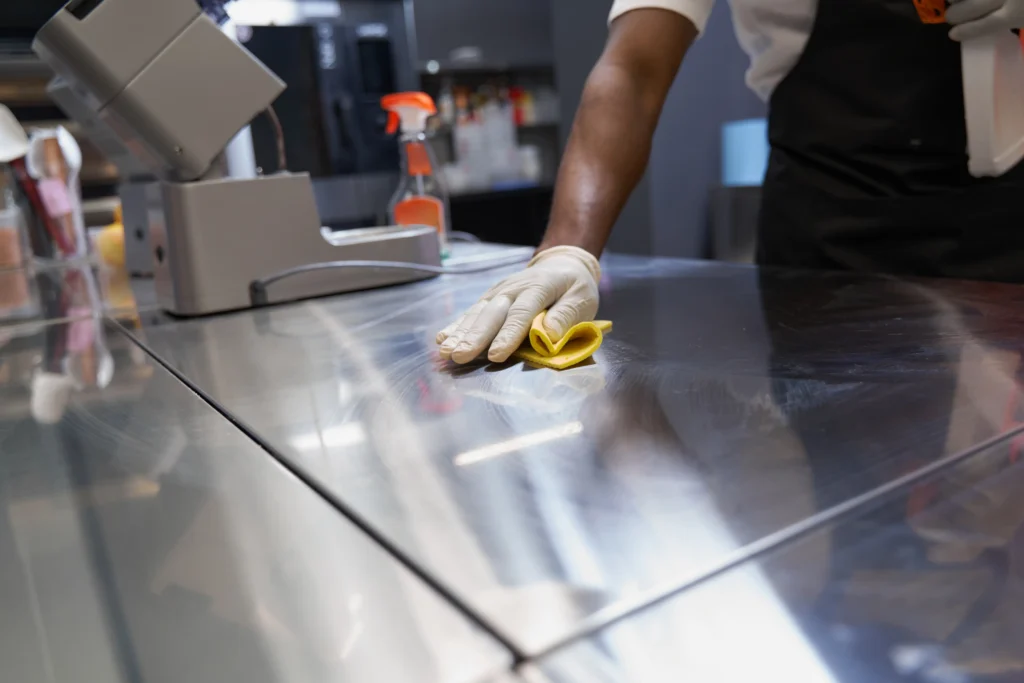
- Dust or wipe surfaces.
- Clean shared and high-touch surfaces.
- Clean washrooms and pantry areas.
- Vacuum or sweep floors.
- Mop hard floors using the appropriate cleaning solution.
- Inspect the area before considering the task complete.
NEA recommends structured cleaning procedures and notes that wiping should generally move from clean to dirty areas to help prevent cross-contamination.
4. Keep Washrooms and Pantry Areas on a Separate Priority
Washrooms and pantry areas require more attention because moisture, food residue and frequent contact can create additional cleaning requirements.
For washrooms, check:
- Toilets and urinals
- Sinks and taps
- Mirrors
- Floors
- Door handles
- Cubicle surfaces
- Hand-drying and soap areas
For pantries, clean countertops, sinks, cabinet handles, tables, appliances and floors. Food waste should also be removed promptly rather than left until the end of the day.
5. Do Not Ignore Indoor Air Quality
Workplace cleaning is not only about visible surfaces. Indoor air quality also matters, especially in enclosed and air-conditioned offices.
NEA’s updated 2026 guidance states that good ventilation helps reduce exposure to airborne pollutants and recommends proper operation and maintenance of air-conditioning and mechanical ventilation (ACMV) systems. It also notes that CO₂ readings can be used as a proxy for assessing ventilation adequacy.
This means office maintenance should also include:
- Checking that air vents are not blocked
- Maintaining air-conditioning and ventilation systems
- Replacing filters according to maintenance requirements
- Watching for unusual smells or excessive dust
- Paying attention to rooms that feel stuffy or poorly ventilated
Cleaning alone cannot fix every indoor air quality problem, so ventilation and HVAC maintenance should be treated as part of the wider workplace environment.
Workplace Cleaning Best Practices by Area
Different office areas have different cleaning requirements. A single routine for the entire workplace may leave important areas overlooked.
| Office Area | Main Cleaning Focus | Suggested Priority |
|---|---|---|
| Workstations | Dust, desks, keyboards and shared equipment | Daily/routine |
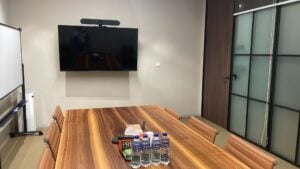
| Meeting rooms | Tables, chairs, switches and shared surfaces | Daily/routine |
| Pantry | Food residue, sinks, countertops and floors | Daily |
| Washrooms | Toilets, sinks, mirrors, floors and touchpoints | Daily/frequent |
| Reception | Desks, doors, seating and visible surfaces | Daily |
| Corridors | Floors, handrails and touchpoints | Routine |
| Windows | Glass, frames and tracks | Periodic |
| Carpets | Vacuuming and deeper cleaning | Routine/periodic |
Using workplace cleaning best practices by area can also make it easier to assign cleaning responsibilities. For example, washrooms may require frequent attention, while windows and carpets can usually be handled according to a separate periodic schedule.
Use the Right Cleaning Tools and Products
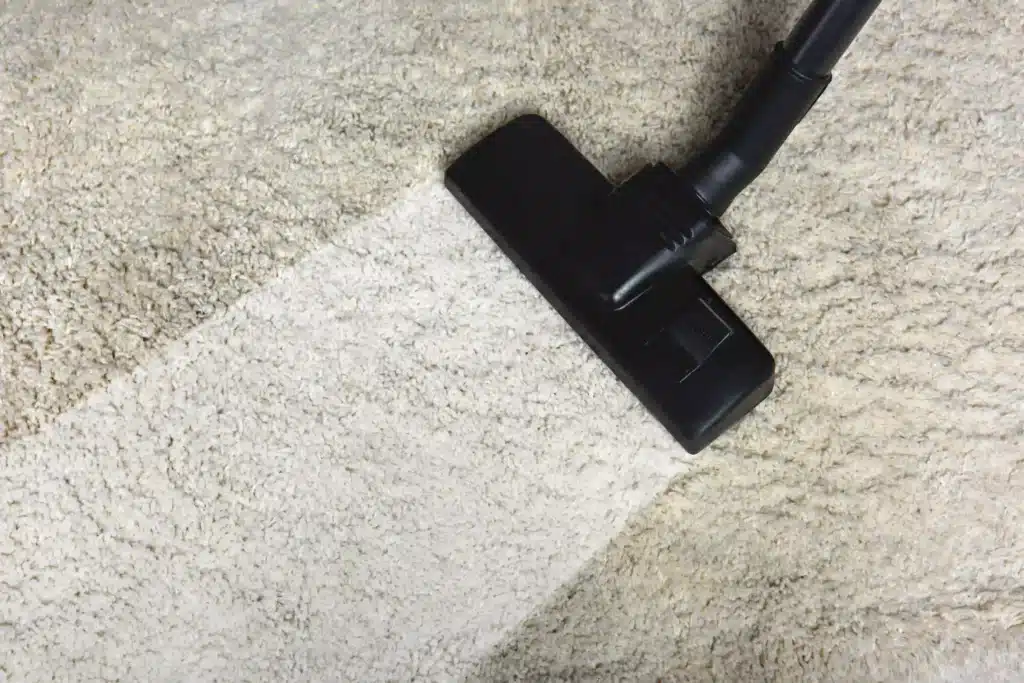
Good results depend partly on using suitable equipment. A basic office cleaning setup may include microfiber cloths, vacuum cleaners, mops, buckets, appropriate detergents, disinfectants and personal protective equipment (PPE).
The product should match the surface being cleaned. Using an overly aggressive chemical on a sensitive surface can cause damage instead of improving cleanliness.
Choosing suitable equipment is another part of workplace cleaning best practices, especially in offices with carpets, large floor areas or specialised surfaces. The right tools can improve cleaning results while reducing the risk of damaging workplace materials.
A Simple Example: A Busy Singapore Office
Consider a 30-person office with an open workspace, two meeting rooms, a pantry and shared washrooms. The office may look reasonably clean in the morning, but by the afternoon, door handles, pantry surfaces, meeting tables and washroom touchpoints have already been used many times.
Instead of waiting for visible dirt, the cleaning team can schedule routine cleaning around these high-use areas while handling lower-priority tasks on a weekly or periodic basis. This creates a more consistent standard without treating every surface as if it requires the same level of cleaning every day.
How to Check Whether Your Cleaning Routine Is Working
A cleaning schedule is only useful if the results are actually checked. Supervisors or facility managers should periodically inspect completed areas rather than assuming every task was done correctly.
Reviewing workplace cleaning best practices regularly can help office managers identify areas that are being overlooked. If the same surfaces repeatedly become dirty between scheduled cleaning sessions, the cleaning frequency or task allocation may need to be adjusted.
Look for:
- Dust around corners and under furniture
- Marks on doors and walls
- Dirty or sticky high-touch surfaces
- Odours in washrooms or pantry areas
- Overflowing bins
- Streaks on glass
- Damp or poorly maintained areas
- Visible dust around vents
NEA’s environmental sanitation guidance recommends visual inspections after cleaning operations as one way to assess cleaning quality.
Workplace Cleaning Best Practices for Shared Spaces
Shared spaces often need more attention because they are used by different employees throughout the day. Workplace cleaning best practices should therefore give extra priority to meeting rooms, break areas, reception spaces and shared workstations.
A simple approach is to clean shared areas after periods of heavy use, remove rubbish promptly, and wipe frequently touched surfaces before the next group of employees uses the space. Meeting rooms should also be checked regularly for leftover cups, food packaging, fingerprints, dust and marks on tables or other surfaces.
This approach helps keep common areas presentable while making the cleaning routine more responsive to how employees actually use the workplace.
When Should You Hire Professional Office Cleaners?
Professional cleaning can be useful when an office has many employees, several shared facilities, large floor areas or a cleaning schedule that is difficult to manage internally.
It is particularly worth considering when:
- Cleaning takes employees away from their normal responsibilities.
- The office has multiple floors or large common areas.
- Washrooms and pantry areas require frequent attention.
- Carpets or specialised flooring need periodic cleaning.
- The business needs a consistent cleaning schedule.
- There are high-traffic areas that require more frequent cleaning.
For businesses looking for a structured service in Singapore, GT Environmental provides commercial cleaning solutions, including office cleaning services. The service can be considered when routine in-house cleaning is no longer enough to maintain the required standard.
A consistent review of workplace cleaning best practices can help businesses adjust their cleaning plan as the workplace changes. New employees, office renovations, additional equipment or changes in working hours may all affect how frequently different areas need to be cleaned.
Conclusion: Make Workplace Cleaning a Consistent Routine
The best workplace cleaning best practices are not complicated, but they need to be applied consistently. A practical routine should combine scheduled cleaning, high-touch surface care, proper cleaning techniques, periodic deep cleaning and attention to indoor air quality.
For Singapore offices, choosing a cleaning provider with a structured approach can also make ongoing maintenance easier. GT Environmental provides cleaning services for commercial workplaces and can help businesses maintain cleaner, more comfortable office environments.
For office managers, reviewing workplace cleaning best practices should be part of regular facility management. Small changes to cleaning frequency, task allocation or high-touch surface care can make the overall routine more effective.
Visit GT Environmental to learn more about its cleaning services and request a quotation.
Frequently Asked Questions
What are the best workplace cleaning practices?
The main practices include maintaining a consistent cleaning schedule, prioritising high-touch surfaces, using the correct cleaning methods and products, cleaning from less dirty to more dirty areas, and regularly inspecting completed work.
How often should an office be professionally cleaned?
The frequency depends on office size, employee numbers, foot traffic and the type of business. High-traffic offices may need daily cleaning, while periodic deep cleaning can be scheduled for carpets, windows and less accessible areas.
What should be cleaned daily in an office?
Daily cleaning commonly includes high-touch surfaces, washrooms, pantry areas, waste bins, floors and frequently used shared spaces. The exact schedule should be adjusted based on how the office is used.
How can I improve office indoor air quality?
Start by ensuring ventilation and air-conditioning systems are properly maintained. Keep vents clear, monitor signs of poor ventilation, and consider CO₂ monitoring where appropriate. NEA recommends maintaining ACMV systems and using ventilation measures to support good indoor air quality.
Is professional office cleaning worth it?
For larger or busy workplaces, professional cleaning can make it easier to maintain a consistent standard. It also allows employees to focus on their normal work instead of taking responsibility for routine cleaning tasks.