
Knowing what does office cleaning include helps businesses plan cleaning schedules and choose services that suit their workplace. From daily desk cleaning to washroom sanitisation and floor maintenance, understanding the scope makes it easier to compare providers and manage workplace hygiene.
Understanding what does office cleaning include helps businesses plan their cleaning schedules and choose the right services for their workplace. From daily desk cleaning to washroom sanitisation and floor maintenance, knowing what to expect makes it easier to compare cleaning providers and manage workplace hygiene.
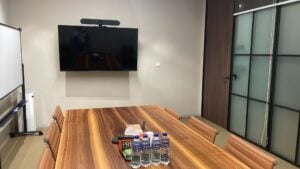
When reviewing what does office cleaning include, it is worth checking whether the service covers shared meeting rooms, reception areas, and frequently used equipment. These spaces can collect dust and dirt throughout the working day, especially in offices that receive regular visitors.
What Does Office Cleaning Include?
A typical office cleaning service covers workstations, common areas, pantry facilities, washrooms, waste disposal, and floor maintenance. What does office cleaning include in practice depends on the workspace, daily activities, and the level of cleaning required. Some offices may also need additional services to keep their facilities in good condition.
When deciding what does office cleaning include, businesses should consider more than just visible dirt. Shared equipment, frequently touched surfaces, pantry facilities, and washrooms all need attention. The cleaning checklist should reflect how employees use the space throughout the day.
A typical office cleaning checklist includes the following tasks.
1. Workstation and Surface Cleaning
Desks, chairs, shelves, meeting tables, and other frequently used surfaces can collect dust and everyday dirt. Cleaning these areas helps keep the workspace presentable and reduces the buildup of grime.
Common tasks include:
- Wiping accessible desk surfaces and meeting tables.
- Dusting shelves, cabinets, and other reachable furniture.
- Cleaning door handles, light switches, and frequently touched surfaces.
- Wiping shared equipment exteriors where appropriate.
- Removing visible marks from accessible surfaces.
When considering what does office cleaning include, businesses should also check how frequently used surfaces and shared equipment are maintained. Regular attention to these areas helps keep workstations clean throughout the working day.
2. Floor Cleaning and Carpet Vacuuming
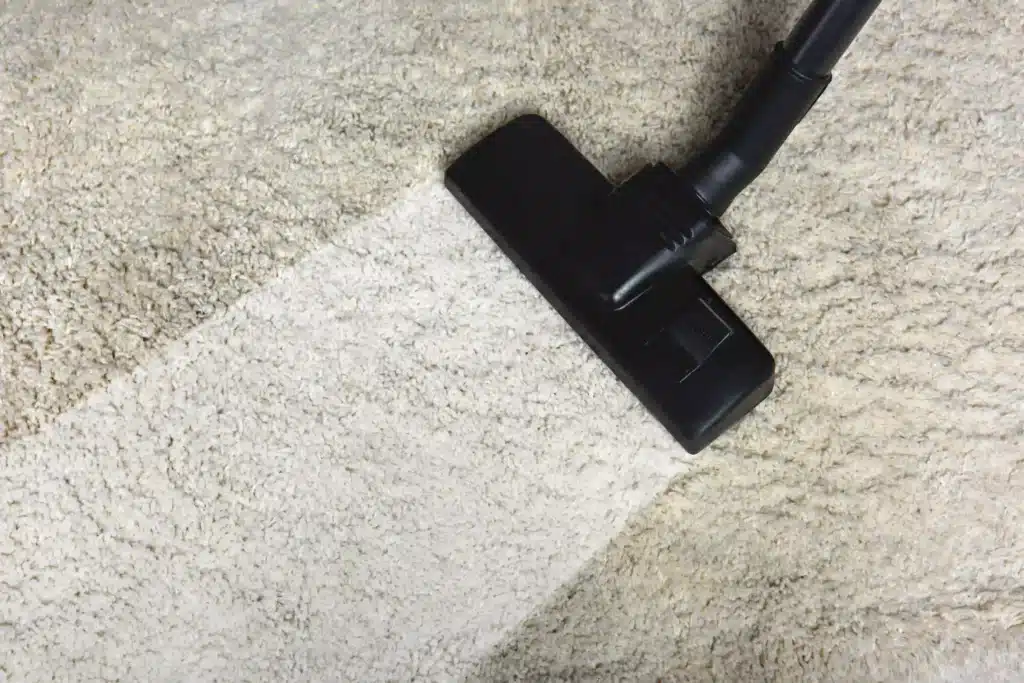
Floor care is another standard part of office cleaning. Dirt and dust enter through shoes, particularly around entrances, lifts, and busy walkways.
Depending on the flooring, routine cleaning may involve sweeping, vacuuming, or damp mopping. Carpeted offices generally need vacuuming to remove loose dirt, while hard floors require cleaning methods suitable for their finish.
Spills and visible stains should be addressed promptly, but routine maintenance is different from specialist floor treatment. Carpet shampooing, stain removal, marble polishing, and other intensive work may need to be booked separately.
3. Pantry and Break Room Cleaning
Office pantries are used throughout the day, so food crumbs, drink spills, and residue can accumulate quickly. These areas need regular attention to remain comfortable for employees.
When reviewing what does office cleaning include, businesses should check whether pantry cleaning covers only countertops and tables or also includes the exterior of frequently used appliances. Clarifying these details helps avoid confusion about the services provided.
Typical pantry cleaning tasks include:
- Wiping countertops and tables.
- Cleaning accessible cupboard exteriors.
- Wiping the outside of frequently used appliances.
- Sweeping and mopping the floor.
- Emptying bins and removing food waste.
Cleaning the outside of a microwave or refrigerator does not necessarily include cleaning the inside. Businesses should clarify these details with their cleaning provider, especially if the pantry is heavily used.
4. Washroom Cleaning and Sanitisation
Washrooms require consistent cleaning because several people may use the same facilities throughout the day. A standard office cleaning routine usually covers toilets, sinks, taps, mirrors, and floors.
Depending on the agreed service, tasks may include:
- Cleaning and sanitising toilets and urinals.
- Washing sinks and wiping taps.
- Cleaning mirrors and accessible surfaces.
- Mopping floors with appropriate cleaning products.
- Emptying sanitary and general waste bins.
- Checking and replenishing soap, tissue, and paper towels when included in the contract.
The frequency of washroom cleaning should reflect actual use. An office with a large workforce or frequent visitors may need more attention than a small workplace with only a few employees.
5. Waste Collection and Common Area Maintenance
Bins in workstations, pantries, meeting rooms, and shared spaces should be emptied according to the cleaning schedule. Liners may also need replacing, depending on the service agreement.
What does office cleaning include in shared spaces can vary between providers, particularly for reception areas, corridors, and meeting rooms. Confirming these tasks in advance helps ensure that frequently used areas receive the attention they need.
Reception areas, corridors, meeting rooms, and other shared spaces should be kept tidy because they shape visitors’ first impressions of a business.
For companies reviewing their cleaning routines, these workplace cleaning best practices offer a useful starting point for keeping shared areas organised and establishing consistent cleaning habits.
What Is Included in Regular Office Cleaning vs Deep Cleaning?
Regular office cleaning focuses on maintaining everyday cleanliness, while deep cleaning targets areas that need more detailed or less frequent attention. The distinction matters because a routine cleaning contract may not cover every intensive task a workplace requires.
Another factor to consider when asking what does office cleaning include is whether the service covers routine maintenance only or also provides more intensive cleaning for carpets, upholstery, and hard-to-reach areas.
| Cleaning task | Regular office cleaning | Office deep cleaning |
|---|---|---|
| Desk and surface wiping | Usually included | More detailed cleaning where required |
| Floor sweeping and mopping | Usually included | May include intensive treatment |
| Carpet care | Routine vacuuming | May include shampooing or stain treatment |
| Washroom cleaning | Routine cleaning and sanitisation | More detailed attention to buildup and hard-to-reach areas |
| Pantry maintenance | Wiping accessible surfaces | May include detailed appliance or cabinet cleaning |
| High or difficult-to-reach areas | Often excluded | May be included with prior arrangement |
| Upholstery and specialist floor care | Usually separate | Depends on the service package |
The precise scope varies between providers. Businesses should review the quotation and service checklist rather than assume that every task is included in the advertised price.
How Often Should an Office Be Cleaned?
Office cleaning frequency depends on the number of employees, foot traffic, workspace layout, and the type of work carried out. A small office with limited daily visitors may need a different schedule from a busy corporate workplace with shared meeting rooms and pantry facilities.
Knowing what does office cleaning include makes it easier to identify gaps in a proposed cleaning package. Businesses can then confirm which tasks are covered in the standard fee and which require additional charges.
A practical schedule might look like this:
- Daily: Empty bins, clean washrooms, wipe frequently used surfaces, and maintain pantry areas.
- Several times a week: Vacuum carpets and clean floors, depending on foot traffic.
- Weekly: Give additional attention to less frequently used areas, furniture, and accumulated dust.
- Periodically: Arrange deep cleaning for carpets, upholstery, difficult-to-reach areas, or other surfaces that need specialist treatment.
These are general planning guidelines, not fixed requirements. The final schedule should reflect the workplace’s actual needs.
A Practical Example
Consider a 30-person office with a shared pantry, two washrooms, several meeting rooms, and a carpeted work area. A daily cleaning visit could focus on bins, washrooms, pantry surfaces, shared tables, and visible floor dirt. Carpet vacuuming and general workstation maintenance could also be included.
If the company hosts frequent client meetings, reception and meeting areas may need more attention. A periodic deep-cleaning session could then address carpet stains and areas that routine visits do not cover.
This approach helps the business prioritise everyday tasks without treating every cleaning requirement as an additional service.
How to Choose the Right Office Cleaning Service

A suitable office cleaning service should match the workplace’s layout, operating hours, and cleaning requirements. Price matters, but businesses should also understand what the provider will actually do during each visit.
Before requesting a quotation, ask the provider to explain what does office cleaning include in its standard package. Confirm whether consumables, equipment cleaning, and periodic deep cleaning are covered or charged separately. This makes it easier to compare quotations based on the actual work provided.
Before choosing a provider, follow these steps:
- List the areas that need cleaning. Include workstations, meeting rooms, washrooms, pantries, reception areas, and floors.
- Determine the required frequency. Decide which tasks need daily attention and which can be handled weekly or periodically.
- Confirm what the quotation covers. Check whether consumables, equipment, carpet treatment, and deep cleaning are included or charged separately.
- Ask about scheduling and supervision. Make sure cleaning visits fit the office’s operating hours and that there is a process for reporting missed tasks.
- Compare providers based on scope and reliability. A lower price may not offer the same cleaning coverage or service frequency.
GT Environmental provides office cleaning services in Singapore, with options for regular and customised cleaning schedules. Businesses can review the available office cleaning services to understand the service scope and request a quotation suited to their workspace.
A clear checklist helps businesses understand what does office cleaning include before agreeing to a service plan. It also gives the cleaning team a consistent reference for completing daily tasks and helps office managers identify areas that may need additional attention.
Conclusion: Keep Your Workplace Clean with GT Environmental
Understanding what does office cleaning include makes it easier for businesses to maintain a clean, comfortable, and organised workplace. Regular cleaning usually covers workstations, floors, washrooms, pantry areas, and waste collection, while carpet shampooing and other deep-cleaning tasks may require separate arrangements.
The right cleaning schedule depends on office size, employee numbers, and how frequently shared spaces are used. By defining these requirements in advance, businesses can choose a service that suits their needs without paying for unnecessary tasks.
GT Environmental provides office cleaning solutions for businesses in Singapore, with cleaning arrangements tailored to different workplace requirements. Visit GT Environmental to explore the available services and request a quotation for your office.
Frequently Asked Questions
What Does Office Cleaning Include on a Daily Basis?
What does office cleaning include on a daily basis depends on the workplace’s needs and cleaning schedule. Common tasks include wiping accessible surfaces, emptying bins, cleaning washrooms, maintaining pantry areas, and removing visible dirt from floors.
Does office cleaning include carpet cleaning?
Routine office cleaning commonly includes carpet vacuuming. Deep carpet cleaning, stain removal, and shampooing may require a separate service, so businesses should confirm the scope before booking.
Does office cleaning include cleaning computers and office equipment?
Cleaners may wipe suitable exterior surfaces, but electronic equipment requires specific care. Businesses should clarify which devices are included and ensure that cleaning methods follow the manufacturer’s recommendations.
How much does office cleaning cost in Singapore?
Office cleaning costs depend on factors such as floor area, cleaning frequency, session duration, and additional requirements. The best way to obtain an accurate estimate is to provide the cleaning company with details about the workspace and the tasks required.
How often should an office be professionally cleaned?
Many offices benefit from routine cleaning several times a week or daily, particularly when they have busy shared facilities. The right frequency depends on staff numbers, visitor traffic, and how quickly dirt accumulates.