
Understanding how office cleanliness affects productivity helps businesses create a workplace where employees can focus, collaborate, and complete their tasks comfortably. A clean office reduces distractions, supports everyday hygiene, and creates a more organised environment. Although cleanliness alone cannot guarantee better performance, it remains an important part of maintaining a productive workplace.
Although cleaning alone cannot guarantee better performance, a poorly maintained workplace can create avoidable problems, from cluttered workstations to unpleasant odours and neglected shared facilities. Understanding how office cleanliness affects productivity helps businesses decide where cleaning efforts can make the most practical difference.
1. A Clean Office Helps Employees Stay Focused
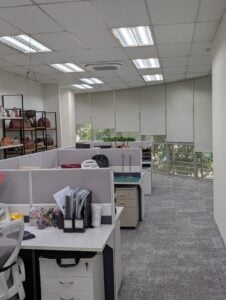
One practical way to understand how office cleanliness affects productivity is to consider the distractions caused by clutter and untidy work areas. Desks covered with unused items, overflowing bins, and dusty surfaces can make a workplace feel disorganised. Keeping workstations, meeting rooms, and shared spaces clean helps employees concentrate on their responsibilities without unnecessary interruptions. This shows how office cleanliness affects productivity by creating a more organised environment for daily tasks.
Businesses can support concentration by maintaining:
- Clean desks and accessible work surfaces.
- Organised meeting rooms and shared workstations.
- Clear walkways without unnecessary clutter.
- Clean floors and regularly emptied bins.
- Tidy reception areas and common spaces.
Employees should also take responsibility for their own workstations. Keeping personal items organised and clearing away food containers at the end of the day makes routine cleaning easier and helps maintain a comfortable working environment.
2. Workplace Cleanliness Supports Employee Comfort and Satisfaction
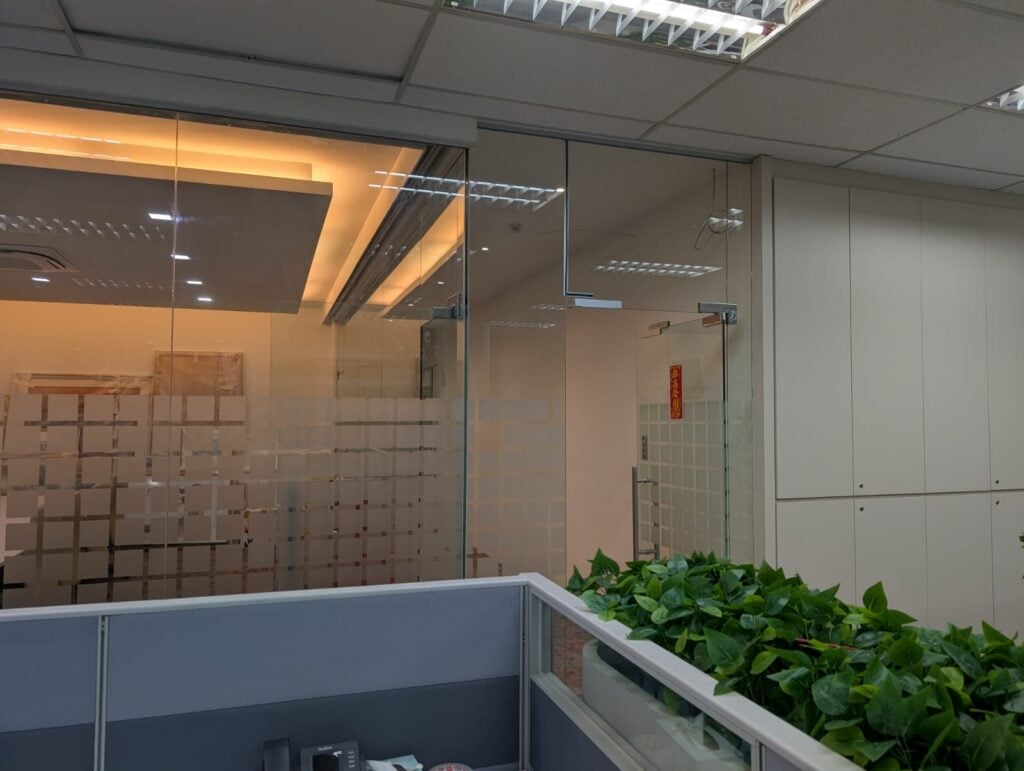
Another important factor in how office cleanliness affects productivity is employee comfort and workplace satisfaction. Employees are more likely to feel comfortable when desks, restrooms, pantry areas, and meeting rooms are properly maintained. Clean surroundings can help reduce everyday frustrations and make shared facilities more pleasant to use.
Research has also examined how office cleanliness affects productivity and employee satisfaction. A 2018 study involving five nonprofit organisations in the Netherlands found a significant relationship between objectively measured office cleanliness and employees’ perceived productivity and work satisfaction. However, this relationship does not prove that cleanliness alone directly causes higher productivity.
For businesses, practical improvements may include:
- Keeping shared facilities clean and ready for use.
- Addressing spills and unpleasant odours promptly.
- Maintaining comfortable, tidy meeting spaces.
- Responding to employee reports about recurring cleaning problems.
When employees feel comfortable in their surroundings, they have fewer everyday cleanliness issues to contend with.
3. Better Hygiene Helps Reduce Avoidable Workplace Disruptions
A consistent cleaning routine helps businesses understand how office cleanliness affects productivity by maintaining hygiene in areas used by many people. Workstations, pantry countertops, washrooms, door handles, and meeting room equipment require regular attention because employees use them throughout the day. Appropriate cleaning practices help manage contamination risks and keep shared facilities in suitable condition, supporting a more comfortable working environment.
Cleaning does not eliminate every source of illness, and its effect on absenteeism will depend on several factors. Nevertheless, appropriate cleaning and hygiene practices help businesses manage contamination risks and maintain shared facilities in a suitable condition.
Useful measures include:
- Cleaning frequently touched surfaces according to their use and risk.
- Keeping washrooms supplied with soap and other agreed essentials.
- Removing food waste before it accumulates.
- Cleaning spills promptly to reduce slip hazards.
- Using appropriate products and procedures for different surfaces.
It is also important to distinguish cleaning from disinfection. Cleaning removes dirt and impurities, while disinfection uses suitable products to reduce microorganisms on surfaces. The appropriate approach depends on the surface, the level of contamination, and the intended use of the area.
Businesses looking to establish a more consistent routine can refer to these office hygiene best practices for practical guidance on maintaining cleaner workspaces and shared facilities.
4. Clean Shared Spaces Make Collaboration Easier
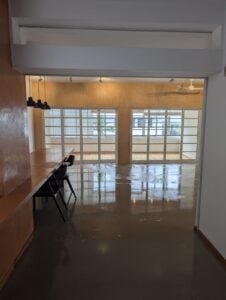
Shared spaces are another example of how office cleanliness affects productivity in everyday operations. Meeting rooms, pantries, reception areas, and collaborative workstations often serve multiple teams throughout the day. When these spaces are clean and ready to use, employees can move between activities without having to deal with leftover rubbish, dirty tables, or disorganised furniture.
Consider a meeting room used for several client discussions each day. If the previous group leaves drink containers behind and the table is not cleaned, the next team may need to spend time preparing the room before its meeting begins. Keeping shared spaces clean helps employees use their working time more efficiently.
That extra effort may be small, but recurring problems can create unnecessary friction in daily operations.
To keep shared spaces ready for use, businesses should:
- Wipe meeting tables after use when necessary.
- Remove rubbish and leftover refreshments.
- Keep chairs and furniture arranged appropriately.
- Check shared equipment and frequently touched surfaces.
- Assign clear responsibility for reporting cleaning issues.
A simple system can help employees understand what they should handle themselves and which tasks belong to the cleaning team.
5. Poor Office Cleanliness Can Affect Professional Image
The way an office is maintained also shows how office cleanliness affects productivity and the overall working environment. Dusty reception counters, stained floors, unpleasant washroom odours, and overflowing bins can create a poor impression on employees and visitors. Maintaining clean and organised facilities supports a professional image while helping employees work in a more comfortable space.
A clean environment, on the other hand, supports a more organised and professional appearance. This is especially relevant for businesses that regularly welcome clients or conduct meetings on their premises.
Different areas may require different priorities:
| Office area | Potential issue | Recommended approach |
|---|---|---|
| Reception | Dusty counters and visible marks | Clean surfaces and floors regularly |
| Meeting rooms | Leftover rubbish and dirty tables | Check rooms between busy periods |
| Pantry | Food residue and unpleasant odours | Clean surfaces and remove food waste |
| Washrooms | Empty dispensers and dirty fixtures | Follow a consistent cleaning schedule |
| Workstations | Dust and accumulated clutter | Maintain surfaces and encourage tidy habits |
A professional appearance is not just about impressing visitors. It also reflects how consistently a business maintains the facilities its employees use every day.
6. A Structured Cleaning Schedule Makes Maintenance More Efficient
A consistent cleaning schedule helps businesses manage how office cleanliness affects productivity by keeping important areas in suitable condition throughout the working week. High-traffic spaces, such as reception areas, restrooms, and pantry counters, may need more frequent attention than individual workstations. Businesses should set cleaning frequencies based on office size, employee numbers, daily activities, and the level of use in each area.
Businesses can use a straightforward schedule as a starting point:
| Frequency | Typical tasks |
|---|---|
| Daily | Empty bins, maintain washrooms, address spills, and clean frequently used surfaces |
| Several times a week | Vacuum carpets and maintain floors according to foot traffic |
| Weekly | Dust accessible furniture and check less frequently used areas |
| Periodically | Arrange deeper carpet, upholstery, or specialist cleaning where needed |
These are general recommendations rather than fixed requirements. The final schedule should reflect office size, staff numbers, visitor traffic, and the condition of the facilities.
7. Professional Cleaning Can Help Businesses Maintain Consistent Standards

Professional cleaning can help businesses manage how office cleanliness affects productivity by maintaining consistent standards across workstations, meeting rooms, washrooms, and shared facilities. Internal routines may be enough for basic tidiness, but larger offices often need a structured cleaning plan. A professional provider can follow an agreed checklist, work around business hours, and focus on areas that require regular attention.
Before engaging a provider, businesses should consider:
- Office size and layout: Identify workstations, meeting rooms, washrooms, pantries, and common areas.
- Cleaning frequency: Decide which tasks need daily attention and which can be performed less often.
- Service coverage: Confirm whether consumables, carpet treatment, and deep cleaning are included.
- Quality checks: Establish how completed work is reviewed and how service issues are reported.
- Operating hours: Arrange cleaning visits to minimise disruption to employees and visitors.
GT Environmental provides office cleaning services in Singapore, with arrangements suited to different workplace requirements. Businesses can explore its office cleaning services to review available options and request a quotation.
Conclusion: Create a More Productive Workplace with GT Environmental
Understanding how office cleanliness affects productivity can help businesses make better decisions about workplace maintenance. Clean workstations, hygienic shared facilities, and a consistent cleaning routine can reduce avoidable distractions and support employee comfort. Businesses looking for reliable maintenance support can explore GT Environmental’s office cleaning services to help maintain a cleaner and more organised workplace.
Frequently Asked Questions
How does office cleanliness affect productivity?
How office cleanliness affects productivity depends on several factors, including employee comfort, concentration, hygiene, and the condition of shared facilities. A clean and organised workplace can reduce avoidable distractions and support a more comfortable working environment. However, productivity also depends on workload, management, equipment, and other workplace conditions.
Can a dirty office affect employee morale?
Yes. Dirty workstations, unpleasant washroom conditions, and neglected shared areas can make employees less comfortable in their workplace. Maintaining a clean office can support employee satisfaction and help create a more welcoming environment.
How often should an office be cleaned to maintain productivity?
The appropriate cleaning frequency depends on office size, foot traffic, and how frequently facilities are used. Washrooms, bins, and frequently touched surfaces may need daily attention, while carpets and upholstery can follow a periodic cleaning schedule.
What areas of an office should be prioritised for cleaning?
Businesses should prioritise washrooms, pantry facilities, workstations, meeting rooms, reception areas, floors, and frequently touched surfaces. The final checklist should reflect the way employees and visitors use each area.
Does professional office cleaning improve productivity?
Professional office cleaning can influence how office cleanliness affects productivity by helping businesses maintain consistent hygiene standards across workstations, meeting rooms, washrooms, and shared facilities. It can also reduce the time employees spend dealing with recurring cleaning issues. However, the overall effect on productivity depends on service quality, workplace conditions, and employee needs.