
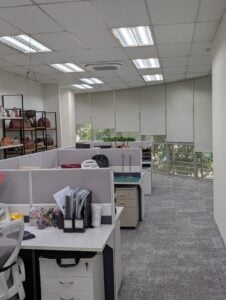

Office hygiene best practices involve keeping workstations, shared facilities, and frequently touched surfaces clean through consistent routines and clear responsibilities. A hygienic workplace depends on more than regular cleaning; it also requires good personal habits, appropriate waste management, and a cleaning schedule that reflects how employees use the space.
For businesses in Singapore, maintaining office hygiene can help create a more comfortable working environment and a professional impression for employees and visitors. Small, consistent actions often make a greater difference than occasional cleaning alone.
1. Clean and Disinfect Frequently Touched Surfaces
One of the most important office hygiene best practices is to clean frequently touched surfaces regularly. Door handles, lift buttons, light switches, shared keyboards, meeting room tables, and pantry countertops can collect dirt through repeated contact and therefore deserve particular attention.
A practical routine should include:
- Wiping desks, tables, and accessible furniture to remove dust and dirt.
- Cleaning door handles, switches, and other high-touch points regularly.
- Cleaning shared equipment between users when appropriate.
- Using suitable cleaning products according to the manufacturer’s instructions.
- Allowing disinfectants the required contact time when disinfection is necessary.
Cleaning and disinfection serve different purposes. Cleaning removes dirt and impurities, while disinfection uses suitable products to reduce microorganisms on surfaces. Not every surface requires disinfection at every visit, so the method should reflect the level of use and potential contamination.
Consistently applying office hygiene best practices to high-touch surfaces can help maintain cleaner shared spaces and support a more hygienic working environment.
2. Prevent Cross-Contamination in the Office
Preventing cross-contamination is one of the most important office hygiene best practices, particularly in workplaces where employees share equipment, meeting rooms, and pantry facilities. Germs and dirt can transfer between surfaces when cleaning tools are reused without proper care or when high-touch areas are overlooked.
Businesses can reduce this risk by establishing clear cleaning procedures:
- Use separate cleaning cloths for washrooms, pantry surfaces, and workstations.
- Replace or wash reusable cleaning materials according to the cleaning procedure.
- Clean visibly dirty surfaces before disinfecting them when necessary.
- Store cleaning products and equipment in designated areas.
- Follow product instructions for dilution, surface compatibility, and contact time.
These measures help maintain consistent hygiene standards across different parts of the workplace. Cleaning teams should also receive clear instructions on which tools and products are suitable for each area.
3. Maintain Clean Workstations and Shared Areas
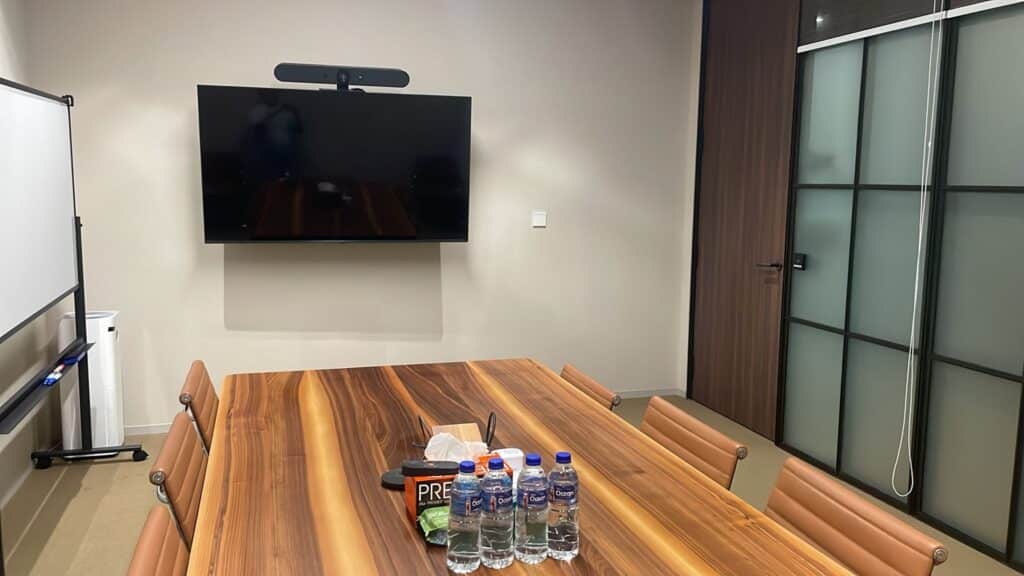
Keeping workstations and shared areas organised is one of the practical office hygiene best practices businesses can implement every day. Clutter, food crumbs, paper waste, and accumulated dust can make cleaning more difficult, so employees should keep desks tidy and dispose of waste promptly.
Encourage employees to follow a few simple habits:
- Keep desks reasonably clear at the end of each working day.
- Remove food containers and leftover drinks promptly.
- Store stationery and personal belongings in designated areas.
- Report spills or cleaning issues when they occur.
- Return shared meeting rooms to a tidy condition after use.
Reception areas, meeting rooms, corridors, and lift lobbies should receive regular attention because employees and visitors use them throughout the day.
For a more detailed breakdown of routine cleaning tasks, businesses can refer to this guide on what does office cleaning include. It helps clarify which areas and tasks may be covered by a standard office cleaning arrangement.
Following office hygiene best practices in pantries and washrooms helps prevent dirt, food residue, and waste from accumulating in frequently used facilities.
4. Keep Pantry and Washroom Facilities Hygienic
Pantries and washrooms need consistent maintenance because they serve essential daily functions and are shared by multiple people. Leaving these areas unattended can lead to unpleasant odours, visible dirt, and the accumulation of waste.
Pantry hygiene
Employees should wipe up spills, clear used dishes, and dispose of food waste promptly. Cleaning teams should regularly maintain countertops, tables, floors, and accessible appliance exteriors. Refrigerators and cupboards may need additional checks to prevent forgotten food and residue from accumulating.
Washroom hygiene
Washroom maintenance should include cleaning toilets, sinks, taps, mirrors, and floors. Soap, toilet paper, and paper towels should be replenished according to the agreed service arrangement.
A useful practice is to check washrooms more frequently during busy periods rather than relying entirely on a fixed cleaning time. The right frequency depends on the number of users and how quickly supplies run low or surfaces become dirty.
5. Establish a Consistent Office Cleaning Schedule
Office hygiene best practices include establishing a consistent cleaning schedule with clear responsibilities. Rather than applying the same frequency to every task, businesses should prioritise areas according to how often they are used and how quickly they become dirty.
| Frequency | Recommended hygiene tasks |
|---|---|
| Daily | Empty bins, clean washrooms, address spills, and maintain pantry and high-touch surfaces |
| Several times a week | Vacuum carpets, clean floors, and maintain less frequently used workstations, depending on usage |
| Weekly | Remove accumulated dust from accessible furniture and inspect meeting rooms and shared facilities |
| Periodically | Arrange deeper cleaning for carpets, upholstery, and areas not covered by routine maintenance |
These are general planning suggestions, not universal requirements. Businesses should adjust the schedule to suit their workplace, operating hours, and cleaning needs.
One of the most practical office hygiene best practices is to review the cleaning schedule regularly. Changes in staff numbers, visitor traffic, or office layout may require adjustments to cleaning frequency and task allocation.
6. Improve Waste Management and Indoor Cleanliness
Proper waste management is among the essential office hygiene best practices for maintaining a clean and comfortable workplace. Leaving food waste in bins for too long can cause unpleasant odours and attract pests, while a consistent disposal routine helps keep shared areas hygienic.
Office hygiene best practices for waste management include:
- Emptying bins before they become overfilled.
- Separating recyclable materials according to the office’s recycling arrangements.
- Disposing of food waste promptly.
- Replacing bin liners when necessary.
- Keeping bin storage areas clean and checking for spills or pest activity.
Effective office hygiene best practices also include checking waste storage areas regularly and addressing spills before they create unpleasant odours or attract pests.
Ventilation and moisture control also deserve attention. Businesses should report leaks, persistent dampness, and musty odours rather than relying on surface cleaning to resolve them. Where ventilation or air-conditioning systems appear to have problems, arrange an appropriate inspection.
7. Improve Indoor Air Quality as Part of Office Hygiene Best Practices
Office hygiene best practices should address indoor air quality as well as visible cleanliness. Dust accumulation, damp materials, and poorly maintained ventilation systems can affect the comfort of employees, even when desks and floors appear clean.
To support a cleaner indoor environment, businesses can:
- Keep air vents and accessible ventilation grilles free from dust buildup.
- Arrange appropriate maintenance for air-conditioning and ventilation systems.
- Address water leaks and damp areas promptly.
- Avoid allowing rubbish and food waste to remain indoors for extended periods.
- Report persistent musty odours or signs of mould for proper assessment.
Routine surface cleaning cannot resolve every indoor air quality issue. Ventilation faults, persistent moisture, and suspected mould may require inspection by qualified professionals rather than repeated wiping alone.
8. Encourage Good Personal Hygiene Among Employees
Office hygiene best practices depend on more than the cleaning team’s efforts. Employees also influence the condition of shared facilities through their everyday behaviour, making personal hygiene and responsible use of common areas important parts of workplace cleanliness.
Encourage staff to wash their hands with soap and water, particularly before eating and after using the washroom. Employees should also cover coughs and sneezes, dispose of used tissues properly, and avoid leaving food or dirty dishes in shared areas.
Shared equipment requires similar consideration. If employees use the same meeting room equipment or devices across shifts, establish a simple cleaning procedure that identifies who is responsible and which products are suitable.
Making office hygiene best practices part of everyday workplace routines encourages employees to share responsibility for maintaining a clean and comfortable environment.
9. Know When to Engage Professional Office Cleaning Services
Professional cleaning services can help businesses maintain office hygiene best practices when internal routines are no longer sufficient. Larger offices, high-traffic facilities, and workplaces with extensive shared areas may benefit from a scheduled cleaning arrangement that keeps essential tasks consistent.
Before choosing a provider, businesses should:
- Assess the workspace. Identify the number of workstations, washrooms, pantries, meeting rooms, and other shared areas.
- Set cleaning priorities. Decide which tasks need daily attention and which can be scheduled less frequently.
- Confirm the service scope. Check whether consumables, carpet cleaning, disinfection, and deep cleaning are included or charged separately.
- Review quality controls. Ask how cleaning tasks are checked and how missed work or service issues are reported.
- Compare quotations fairly. Consider cleaning frequency, duration, task coverage, and reliability rather than price alone.
GT Environmental provides office cleaning services in Singapore, with arrangements that can be tailored to different workplace requirements. Businesses can explore its office cleaning services to review the available scope and request a quotation.
Professional support can make office hygiene best practices easier to maintain when a workplace has multiple shared facilities or high daily foot traffic. A clearly defined cleaning plan helps ensure that important areas receive consistent attention.
Conclusion: Maintain a Cleaner Workplace with GT Environmental
Effective office hygiene depends on consistent cleaning, responsible employee habits, and a schedule suited to the workplace. By maintaining workstations, shared facilities, washrooms, and waste disposal areas, businesses can create a cleaner environment without relying solely on occasional deep cleaning.
The most suitable approach is one that makes responsibilities clear and addresses the areas that need attention most often. For businesses seeking professional support, GT Environmental offers office cleaning solutions in Singapore to help maintain clean and presentable workplaces.
Frequently Asked Questions
What are the most important office hygiene best practices?
The main practices include cleaning high-touch surfaces, maintaining washrooms and pantries, emptying bins regularly, encouraging hand hygiene, and following a consistent cleaning schedule.
How often should an office be cleaned?
The frequency depends on office size, employee numbers, visitor traffic, and the facilities available. Washrooms, bins, and frequently touched surfaces may need daily attention, while carpets and upholstery can be cleaned periodically according to their condition.
What is the difference between cleaning and disinfection?
Cleaning removes dirt and impurities from surfaces. Disinfection uses suitable products to reduce microorganisms and is particularly relevant when surface contamination presents a concern.
Who is responsible for office hygiene?
Responsibility is shared between office management, cleaning personnel, and employees. Management establishes procedures and provides supplies, cleaning teams complete assigned tasks, and employees maintain good personal hygiene and keep shared spaces tidy.
Should businesses hire professional office cleaners?
Professional cleaning can help businesses maintain consistent routines, especially when they have large workspaces or heavily used shared facilities. Before hiring a provider, confirm the cleaning checklist, frequency, service scope, and any additional charges.