
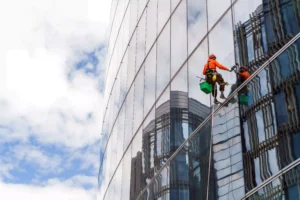


Building facade cleaning is the process of removing dirt, dust, pollution, algae, and other deposits from a building’s exterior surfaces. It helps maintain the appearance of a property, protects facade materials from premature deterioration, and creates a better impression on visitors, tenants, and customers. The right cleaning method depends on the building’s height, surface material, surrounding environment, and the type of contamination.
In Singapore, where humidity, frequent rain, and urban pollution can affect exterior surfaces, regular facade maintenance is particularly important. A building may look clean from the ground, but closer inspection can reveal dark streaks, watermarks, mould, or dirt trapped around windows and architectural details.
Why Is Building Facade Cleaning Important?
Building facade cleaning does more than improve a property’s appearance. Regular cleaning also helps identify maintenance problems early, prevents certain deposits from becoming harder to remove, and supports the long-term upkeep of exterior materials.
1. Maintains the Building’s Appearance
The facade is often the first part of a property that people notice. Stained walls, dirty windows, and discoloured panels can make even a well-maintained commercial property appear neglected.
For offices, hotels, shopping centres, and residential developments, a clean exterior contributes to a more professional appearance. Regular cleaning also helps businesses maintain a consistent image for customers and visitors.
2. Helps Protect Exterior Materials
Dust, airborne pollutants, mineral deposits, and biological growth can accumulate on exterior surfaces over time. Depending on the material and local conditions, these deposits may contribute to staining, corrosion, or deterioration if left untreated.
Building facade cleaning removes surface contaminants before they become more difficult to manage. However, cleaning alone cannot repair damaged sealants, cracked concrete, or deteriorated coatings. Those issues should be assessed separately by qualified maintenance professionals.
3. Supports Early Detection of Building Defects
Cleaning provides an opportunity to inspect areas that may otherwise remain hidden beneath dirt and stains. During the process, maintenance teams may notice loose panels, damaged joints, cracked surfaces, blocked drainage points, or deteriorating sealants.
Identifying these issues early allows building managers to arrange appropriate repairs before minor defects develop into more expensive problems.
What Causes Building Facades to Become Dirty?

The condition of a building’s exterior depends on its surroundings, surface materials, and exposure to weather. In Singapore, several common factors contribute to facade contamination.
- Air pollution and traffic emissions: Fine particles and exhaust residue settle on exterior walls, especially on buildings near busy roads.
- Rainwater and mineral deposits: Water running down a facade can leave streaks and marks as it evaporates.
- Humidity and biological growth: Damp surfaces may encourage algae, mould, or mildew, particularly in shaded areas.
- Construction dust: Nearby renovation and construction work can leave fine dust on windows, cladding, and ledges.
- Bird droppings and organic debris: These deposits can stain surfaces and may become more difficult to remove when left for long periods.
Understanding the source of contamination is important because effective building facade cleaning requires different approaches for mineral deposits, algae growth, and oily pollution residue.
What Are the Main Building Facade Cleaning Methods?
Building facade cleaning methods range from low-pressure washing to specialised treatments for glass, metal, stone, and other exterior materials. Choosing the correct method helps remove contamination without damaging the surface.
| Cleaning method | Best suited for | Important consideration |
|---|---|---|
| Water-fed pole cleaning | Accessible glass and selected exterior surfaces | Reach and water quality affect the result |
| Low-pressure washing | Suitable painted walls and exterior surfaces | Pressure must be controlled to avoid damage |
| Soft washing | Surfaces that require a gentler cleaning approach | Cleaning solutions must be compatible with the material |
| Manual cleaning | Detailed areas, frames, and smaller sections | Can require more time and labour |
| Rope access cleaning | High-rise buildings and difficult-to-reach areas | Requires trained personnel and appropriate safety systems |
| Suspended platforms or gondolas | Large building exteriors | Equipment access, inspection, and operating conditions must be considered |
How Do You Choose the Right Method?
Choosing the right building facade cleaning method starts with identifying the facade material and the type of dirt that needs to be removed. Glass, aluminium composite panels, natural stone, painted concrete, and rendered walls have different tolerances for pressure, chemicals, and abrasion.
A cleaning professional should assess the surface condition, test a small area when necessary, and determine the safest practical method. Using excessive pressure or an unsuitable chemical may cause etching, discolouration, damaged coatings, or water intrusion.
For more information about professional options, you can explore GT Environmental’s facade cleaning services.
How Often Should a Building Facade Be Cleaned?
There is no single cleaning schedule that works for every building. The appropriate frequency depends on its location, height, material, exposure to pollution, and the appearance standards required by the property owner.
Buildings near busy roads or construction sites may accumulate dirt faster than properties in less exposed locations. High-rise buildings with extensive glass surfaces may also require more frequent inspections to maintain their appearance.
A practical maintenance plan should consider:
- The amount of visible dirt and staining.
- The type and condition of the exterior material.
- Exposure to rain, humidity, pollution, and nearby construction.
- The building’s occupancy and presentation requirements.
- Previous cleaning results and any recurring problem areas.
Instead of waiting until the facade looks heavily stained, property managers can schedule periodic inspections and adjust cleaning intervals according to actual conditions.
What Does a Professional Building Facade Cleaning Process Involve?
A professional facade cleaning project normally begins with an assessment rather than immediately applying water or cleaning chemicals. The following steps help organise the work and reduce the risk of damage.
- Inspect the building. Identify facade materials, visible defects, contamination, access limitations, and nearby hazards.
- Select the cleaning method. Determine the appropriate equipment, water pressure, cleaning agents, and access system for the surface.
- Prepare the work area. Establish exclusion zones where needed, protect vulnerable areas, and arrange safe access for workers and equipment.
- Test the treatment. Clean a small, inconspicuous section to check the effectiveness of the method and confirm that the surface responds appropriately.
- Clean the facade systematically. Work in controlled sections, following a consistent sequence to reduce missed areas and uneven results.
- Inspect the finished work. Check for remaining stains, streaks, residue, and any signs of surface damage. Arrange additional treatment where appropriate.
- Document maintenance findings. Record recurring contamination, visible defects, and recommendations for future cleaning or repairs.
For high-rise properties, the process should also include appropriate work-at-height planning, equipment inspections, weather assessment, and emergency arrangements. These precautions are essential because facade cleaning involves risks beyond ordinary ground-level cleaning.
A Practical Example: Maintaining a Commercial Building in Singapore
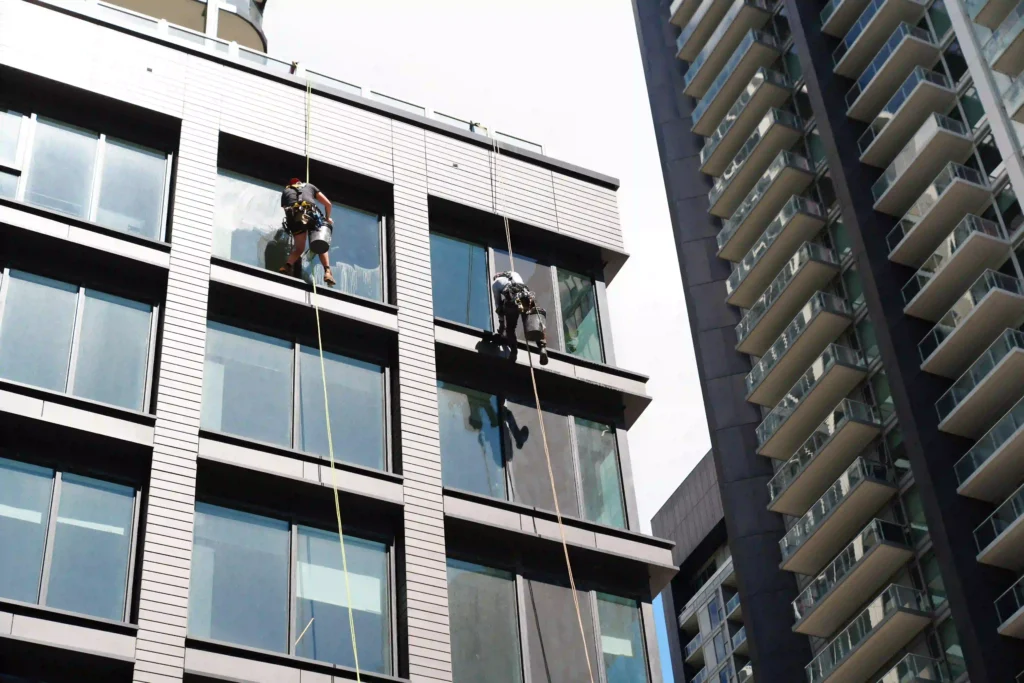
Consider an office building located beside a busy road. After several months of exposure to vehicle emissions and rainwater, dark streaks begin to appear beneath window frames, while the lower facade develops visible dirt deposits.
Rather than applying high-pressure washing to the entire building, the maintenance team first identifies the facade materials and checks the condition of the joints and sealants. A small test area helps determine whether a controlled cleaning solution and low-pressure rinsing can remove the deposits without affecting the finish.
This example illustrates a practical maintenance approach, not a documented GT Environmental project. The main lesson is that effective building facade cleaning requires assessment, suitable techniques, and follow-up rather than simply washing the surface.
Building Facade Cleaning vs. Regular Exterior Maintenance
Although the two activities are closely related, they serve different purposes. Facade cleaning focuses on removing contaminants, while broader exterior maintenance includes checking the condition and performance of building components.
| Activity | Main purpose | Typical tasks |
|---|---|---|
| Building facade cleaning | Remove dirt and surface deposits | Washing walls, cleaning glass, treating stains |
| Facade inspection | Identify visible defects | Checking cracks, joints, sealants, and loose components |
| Exterior repairs | Restore damaged elements | Repairing cracks, replacing sealants, fixing damaged panels |
| Preventive maintenance | Reduce recurring problems | Scheduling inspections, monitoring drainage, planning cleaning cycles |
Cleaning should not be treated as a substitute for inspection or repair. If a facade has loose cladding, failing sealants, or cracks that may indicate a structural concern, the issue should be referred to appropriately qualified professionals.
Conclusion: Keep Your Property Presentable with Professional Building Facade Cleaning
Building facade cleaning is an important part of maintaining commercial properties, residential developments, and other buildings exposed to Singapore’s weather and urban environment. A suitable cleaning method removes accumulated dirt while helping protect the facade’s finish and supporting routine maintenance.
The best results come from understanding the building material, assessing the source of contamination, and using appropriate equipment and safety procedures. A planned cleaning schedule can also help property managers respond to recurring stains before they affect the building’s overall appearance.
If you need help maintaining your building exterior, visit GT Environmental to learn more about its cleaning services and discuss a suitable facade cleaning solution for your property.
Frequently Asked Questions
What is building facade cleaning?
Building facade cleaning is the removal of dirt, pollution, stains, and biological deposits from a building’s exterior. It helps maintain the appearance of the property and supports the upkeep of exterior materials.
How much does building facade cleaning cost in Singapore?
The cost depends on the building’s height, facade area, material, contamination level, access requirements, and cleaning frequency. High-rise projects that require rope access or suspended platforms generally involve different equipment and safety considerations from low-rise buildings. Requesting a site assessment and quotation is the most reliable way to estimate the cost.
Is high-pressure washing suitable for every facade?
No. High-pressure washing can damage certain coatings, softer stone, mortar joints, sealants, and other vulnerable surfaces. The cleaning method should be selected according to the material, its condition, and the type of contamination.
Is facade cleaning necessary for commercial buildings?
Yes, when needed to maintain the exterior’s condition and presentation. Regular cleaning can help remove accumulated dirt, maintain a professional appearance, and make visible defects easier to identify during maintenance inspections.
How can building managers reduce facade staining?
Building managers can schedule inspections, address drainage problems, remove deposits before they become difficult to clean, and investigate recurring stains. Choosing a suitable cleaning method and maintaining the surrounding building components can also help reduce repeat problems.